Upon reflecting on this assignment and practice, sustainability shows up constantly in my life. It is difficult for me to discern from professional and personal life because for me they are too muddied together. I think about sustainability, probably daily if not multiple times a day. I have also been thinking about the connections of sustainability and equity, inclusion, and social justice. Again, I cannot personally distinguish between these things because for me, you cannot be successful in one arena without the others. Sustainability shows in the little things like getting access to composting and reusing or repurposing items. It also shows up in bigger ways when I am part of a team that is dedicated to producing food for an entire community that draws from organic or permaculture practices and then gives food away and not circulated it into a market as a commodity. My hope, is to be more involved in more substantial change when it comes to policy and decision making, particualy on college campuses or perhaps in a consulting environment. One of the key components regarding sustainbility to me, is simultaneity. Simultaneously pursuing social justice, economic equity, diversifying crops, establishing edible landscapes, and a number of other important pieces is what sustainability is all about. We don’t all have to solve the entire “sustainability” issue and we can’t. But we can each contribute in some ways to these other pieces that will work together to create a more sustainable and equitable world.
Conducting soil samples at the GA Organics conference. Beautiful radishes that we grew on the roof of the Geography/Geology building for Campus Kitchens.
While food and food systems remain a consistent catalyst for thinking about sustianability and sunstainability efforts, I did see out more learning opportunities. I studied abroad in Australia and New Zealand in a sustainability program. We learned how culture and politics play into sustainability efforts. We learned how to identify native plants and different types of rainforests. I engaged in the earliest research project I remember conducting which took place in the Great Barrier Reef. While food was central to understanding ecology, this trip greatly expanded my understanding of environmentalism on a more global scale as I learned about coral bleaching and increasing temperatures. This experience encouraged me to reflect on the macro as well as the micro.
Hiking in the rainforest
I am fortunate in that I have been able to travel the world in my pursuit of understanding sustainability and been able to bring those perspectives home. To me, we oftehn think of sustainability as this big nebulous goal that feels huge and daunting. And while it certainly can be daunting, in my opinion it is really about living an intentional and mindful lifestyle where we use less and care more. Sustainability should include social justice and equity.
Fiordlands, NZ
With this theme in mind, I will end this assignment with a quote that I find to be quite relevant. A great starting point for sustainable practice is to learn to be kind to yourself, to others, and to our planet.
What we are doing to the forests of the world is but a mirror reflection of what we are doing to ourselves and to one another. – Mahatma Gandhi
As I reflect on sustainability in our food systems, I cannot separate the practices of inclusion, anti-racism, and decolonizing efforts from sustainability. To me, sustainability must include social justice and equity or how sustainable are we really making things? In San Juan, I met with chef and food justice activist, Nivia at a local market. She explained that colonizers came to San Jaun and eradicated the diverse crops farmers were growig to make sugar cane the monocrop. In doing this, Puerto Rico became known for their sugar cultivation, but this came at a large price. Even though this occurred many decades ago, Nivia explained that Puerto Rico is in a food crisis. With the combination of COVID-19 and a destructive hurricane, Peurto Ricans were left with very little in terms of food access because supply ships could not come to port or were severely damaged, and they were no longer growing food for sustenance, they were growing monocrops for market. This put Puerto Ricans in a very dangersous spot. Nivia informed me that it is imperative that Puerto Rico liberates its food system from colonizing practices that not only put them in precarious situations such as their current food crisis, but is also more sustainable for the land.
The market place as a space exudes an interesting mix of vibes. The particular market we found ourselves in was very old. Nivia said that the market was used for much more than the selling of goods. At night, it became a social hot spot where locals would come to dance and socialize. It was much livelier after market hours than the peaceful morning when we were visiting with a few older locals sipping coffee on the bench outside and a couple market patrons, quietly examining fresh fruit and yautias. The market places have also been spaces for political and cultural demsontrations and serve as sites for locals to reclaim space for themselves as Nivia describe in her dicussion of the multiple purposes the spaces have.
Stall inside the market, Santurce, Puerto Rico.
In Bogota, there is a market space that has been taken back by the people and the public quite literally own the market space. The vendors in the space are locals to the Bogota area and bring in fresh fruit, meat, vegetables, spices, and other goods to sell. Most of the vendors have been a part of this market for generations. In addition to the conversation around property and land rights, I found the resourcefulness of the market vendors to be inspiring as well. They used banana leaves to wrap items in as another use for the leaves aside from cooking and producing fruit. I think that both of these ideas of land sovereignty and resourcefulness are major tenets of sustainability.
Bogota market
My food travels have both deepened and broadened my conceptualization of sustainability, not only as it pertains to food systems but how it shows up in all aspects of my life. I brought these lessons learned back home with me to apply a critical lens to my local food systems and sustainability efforts. My interests and passion for food and sustainability has appeared in my personal, acadamic, and professional lives. I have devoted countless hours to learning about sustainable food systems, produced a master’s thesis on food access and equity, presented at a food justice conference on food politics, volunteered at nonprofits that are centering sustainability in their food practices, and asked for composting in our adivisng offices.
Volunteering at a local nonprofit food program.
Sustainability is more than reducing, reusing, and recycling. It is also about establishing just and equitable measures to steward our planet and each other for generations to come. It is about social and economic justice. I think that our food systems are an excellent example of how all of these aspects of sustainability show up, at least for me and that is why I will continue to do the work that I do and share my love of food.
Food has always been important to me. There are certain smells, tastes, and even vessels such as glassware that take to me specific wrinkles in time, nostalgic memories, that bring me comfort and nourishment. My passion for understanding food cultures and systems has taken me all over the world. One of the foundational lessons that I have learned in my research, travels, and volunteer work with food and eaters is that sustainability in our food systems is food justice.
Initially when I thought about sustainable food systems I had thoughts of vertical farms, organic gardening tehcniques, farm to table, and other trendy lables and terms. While these are certainly part of the food sustainablity umbrella, I have learned that sustainability also means that our practices of food production, distribution, and consumption must be grounded in anti-capitalist and anti-racist methods to have truly sustaining food systems that are equitable, healthful, and environmentally friendly. As I reflect on my experiences across town and across continents, this has become abundantly more clear to me.
My introduction to sustainable food practices began half a world away, unexpectedly, without intention, and left me hungry for more. I found myself outside Moshi, Tanzania speaking with an Australian woman who owned the hostel I was staying in for the month. I had come to Tanzania with no plans and was discussing ways to be involved and busy during the days to get away from the hostel. She put me in touch with a permaculture farm near Kilimanjaro. In that moment I had no earthly idea what permaculture even meant, but I was excited about being on a farm and growing food. I learned that the purpose of the farm was to sustain a home for endanged and orphaned children. It was important that the farm was completely self-sufficient to provide for the children all throughout the year and without the dependence of the government (which was very problematic at the time) or other entities. I learned about permaculture practices from the farmworkers and the coordinator of the project. I asked lots of questions. One day, she handed me a book on permaculture practices to take home and study (which I graciously did).
A small section of the KiliKids permaculture farm.
This idea of self-sufficiency and autonomy over one’s food system became a strong tenet in how I began to think about sustainability and food. They were cultivating their own food for their own consumption, not for a market, and in this action alone they were working to de-commidfy food. There is also a sense of empowerment in being self-sufficient. Permaculture requires such a profound level intentionality. Everything from sourcing water, eradicating weeds and pests, and harvetsing had to be done with great purpose and intention. For example, there was a stream on the property that we used to irrigate the gardens and for drinking water.
Beyond the banana tress is a stream with very clean water that was used for drinking and irrigation, Kilimanjaro, Tanzania.
I returned from Africa excited about these topics and with a new worldview in which to think about them. The next food adventure took place in a small town in northern Thailand where I learned that the socio-economic status of a person is directly tied into the kind of rice you receive (the most nutritious rice was a high premium) and how important culture played into meal making.
Organic garden at culinary school outside of Chang Mai.
I spoke with a jovial chef and cooking instructor who was eager to talk all things food (my kind of person). He walked me through a market and upon reaching the rice vendor and seeing my suprise at such a variety of rice, explained the nutrient and price levels of each of the rice variations. Depending on your status, you received a certain type of rice. The most nutritious rice option reserved for the wealthy. Additionally, he taught me that the most important aspect to Thai cooking is balance. Every dish should have elements of sweet, sour, hot, spicey, and bitter simultaneously. On the train ride out to the culinary school, he discussed his passion for food and growing fresh organic ingredients.
Preparing our cooking space for a lesson in Thai cuisine.
The traditional style of serving Thai food is family style and everything comes out when it is ready. There are no courses per se. Sharing a meal in Thailand transcends time as you pass around soup and rice and organic vegetables and fish, you are sharing more than just food. You are sharing a moment, sharing reflections of the day and anticipations for tomorrow, and you are sharing community. Eating is very much a communal practice. I took home these flavors and lessons in community building and what it means to share food.
When we think about sustainable food systems, community should be at the heart of that conversation.
Travel with me next week to explore the foodscapes of Puerto Rico and Bogota and how citizens are working to disrupt colonial food practices.
Sustainability as Practice in Our Lives as Community Members and as Student Affairs Professionals
The goal of this assignment is to understand how sustainability is present (or not) in your life – personal and professional. To do this find a mechanism where you can record what your notice, think and do about sustainability. If journaling or blogging works for you do that. If tweeting is something you like and you want to share that’s good, FB posts, Instagram – of course. Using a Notes or other app is fine and if you want to record and document via photos or voice recording do that. If other mechanisms are better for you use those. The point of this assignment is to think about, notice and document where and how sustainability shows up in your life both personally and professionally. There will be opportunities throughout the course to post these to the ELC site. During the last week of the course we will have a sustainability summit to discuss and analyze what we’ve learned.
Blog Post 1 for the Assignment: This Feels Very Meta
My initial reaction to reading the description of this assignment was a smile and reflection on my previous blog posts about sustainability. In 2016, my husband and I (and our dog, Emma) decided to move into a camper. We purchased a vintage Avion and completely remodeled it to live in for 6 months. Well, spoiler alert, we stayed in it fulltime for 2 years! We fell in love with tiny living. As I started a master’s program with a focus on sustainability, I had grand plans of keeping a blog to document our sustainable living project. Of course, I quickly realized how UNsustainable keeping a blog would be during grad school, so alas, the blog fizzled away as quickly as it had appeared. But when I read about this assignment, revisiting that blog from 4 years ago seems like the perfect place to start. So, you now find yourself reading a blog post for a sustainability class assignment within the blog that I started several years ago on sustainability. Talk about a way to recylce!
The name of the blog, The Rusty Rivet was used as that is the name we lovignly gave our camper that we remodled. We decided to move into an old camper because we loved the idea of repurposing something that already existed instead of using resources to build something new. We also liked the idea of using less energy and water for our small space. We took the adage “Reduce, reuse, recycle” very seriously, by reusing a camper as our residence, reducing our carbon footprint and resource use, and recycling as many things as we could. This project transformed how we viewed material objects. One side of this sentiment is you have to be pretty minimalist to live in a 300 square foot home, so everything you bring into the home must be functional and/or bring you great joy (which we later learned had massive impacts on our wellbeing in addition to sustainability). The other side is, we now continuously see material objects in multipurpose ways. You know the phrase, “One person’s junk is another person’s treasure”, well we have taken it to heart and ya’ll there is treasure everywhere! Food jars got turned into soup containers and served organizing needs, old pallets got turned into a comfy outdoor bed for lounging and studying (you have to understand that when you live in a camper, the outdoors are an extension of your home!). We were and continue to think about alternative uses of objects. The idea behind the Rusty Rivet blog was to help document these thought patterns and share ideas and resources.
The Rusty Rivet before the remodel. The gentleman peering in is an expert in Avion and Airstream campers and genersouly helped us select our camper and tutored us through the process of remodeling (strongly recommend visiting his shop for anyone interested!)The Rusty Rivet after the remodel: we reused as much as the matieral as possible in the remodle such as the bench and table that is movable for food prep, sleeping, eating, and most importantly, playing boardgames.
So, here I am, writing a blog entry about a blog, this is feeling very meta! I decided to begin this assignment with my previous short-lived blog, because I think it is the perfect starting place for helping me to articulate how I think about sustainability. I have been very interested in sustainability for as long as I can remember. My passion for sustainability and food led me to a master’s degree in Geography where I focused my work on sustainable and just food systems (which I am certain will be a blog entry on its own). I was also a writer and reviewer for the student run science blog at UGA, the Athens Science Observer. I contributed to sustainability topics. Sustainability is a common conversation topic that emerges with friends and in my marriage. At this point, I think it is evident that sustainability very much influences me and my decision making.
Our Formal Dining Room
The specific question of “How do I think about sustainability” still remains. I think based on my previous blog and excerpts from life, I conceptualize sustainability very much in the ways of the first tenets I learned from elementary school, Reduce, Reuse, Recycle. To me, finding alternative ways to utilize items that we already have is foundational. I also tend to think about sustainability in terms of the macro and the micro, with a little more emphasis on the micro. It is important to me to live as sustainably as I can because it helps fulfill this sense of responsibility that I have to be a good steward of our planet and to our future generations. Do I believe that my actions will eradicate climate change? No, absolutely not. But I think that my actions observed by others in my community and circles have the capacity to change attitudes around climate change. I am a believer in the ripple effect and that starting small and local can shift the larger macrocosm.
A neighborhood cat enjoying our outdoor pallet bed.
So I hope that you enjoy flashing back a few years with me as we rediscover together my previous views around sustainability and how I am growing in that area. Please be kind as the previous blog posts were written years ago and I have only recently returned to this upon reading the assignment for this class! This blog just felt like the right home for this assignemnt to reflect, write, and discuss sustainability from my perspective. Here are a few more pics of our time in the Rusty Rivet and some pictures of a quarantine remodel we did for a client last year!
The Rusty Rivet Office and Study
Last year we had the pleasure of assisting a client-turned-friend in purchasing a 1972 Airstream and remodeling it for her. We saved this camper that had been sitting in a junkyard for 10 years and gave it a new home and new life to enjoy for years to come. Here are some of the before and after pictures. Reduce. Reuse. Recycle.
Kitchen BeforeKitchen After (I am so proud of my DIY frosted glass on the cabinets!)Before After: turned into a bar area and serving area.Another Before
First, I apologize for the long sabbatical! I am back to blogging now and I am so glad that you are here reading this. The topic for this week is in regards to an issue that has become extremely important to our environment, culture, politics, and how we live. We are going to discuss our Carbon footprint and the relationship between tiny living and carbon emissions. I would love any comments and information that you may have to contribute so we can all grow and learn from one another on such a vast and critical topic.
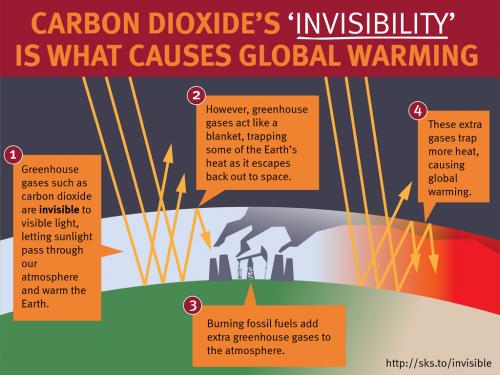
First we should address what a carbon footprint is. Your carbon footprint is determined by the amount of carbon compounds such as carbon dioxide among others that you emit by the utilization of fossil fuels. Every person, company, and organization has a carbon footprint. By burning fossil fuels we are emitting more carbon compounds into the atmosphere, which has been the main contributor to global warming. While we can argue that global warming is a cyclical phenomenon that our planet has seen numerous times over its existence, it is undeniable that the rate at which our planet is warming today has accelerated significantly due to the burning of fossil fuels. Here is a quick visual of how carbon compounds impact global warming thanks to skepticalscience.com.
Why do we care? We care, because if we continue this same pattern we will not be able to sustain various ecosystems that are vital to the biodiversity of our planet, our economies, and our cultures. Entire ecosystems WILL be extinct in OUR lifetime if we are unable to slow down the rate at which we are warming the planet. Ok that last part sounded pretty intense and it is, but I am not one of those dooms day environmentalists that think humanity is the bane of all existence. Yes, we have as a species done some pretty terrible things to our environment, BUT I think we are extremely adaptable, intelligent, and pragmatic as a whole. Together we can make some impressive strides into resolving this issue.
Before we continue I would like for all of you to check out this carbon footprint calculator and see what your carbon footprint is. It is kind of fun and you may be surprised or not so surprised at what you are emitting annually. My carbon footprint is 11.3 tons of carbon every year. Yikes I know! Now I have starting point though and can start making changes to bring that down. So now it is your turn! co2.myclimate.org Now that you know your carbon footprint I will give you some averages so you can see where you fall. The average American’s carbon footprint is about 20 metric tons. That is an enormous amount especially when you compare it the global average, which is about 4 metric tons. Did you hit around that 20 tons average? That is ok! Because there are several pretty easy ways you can get that tonnage down! I strongly suggest checking out this site that has a plethora of information on how to reduce your carbon footprint. It ranges from making sure your tires are inflated to getting solar panels among other great tips. This is definitely a great starting point for individuals and families looking to lessen their impact on global warming http://channel.nationalgeographic.com.
While there are several things we can do to help decrease our individual imprints on global warming, here we are going to specifically look how living tiny can reduce our carbon footprints. Living tiny has numerous benefits and as you might have guessed it definitely is more beneficial to our environment that traditional homes. Why? Tiny homes require significantly less resources. There is less construction or nearly none if you are using a recycled item such as a camper or shipping container that would otherwise be sitting in a landfill, which means less water runoff from construction sites, less raw materials used, and less energy used. So even at conception tiny homes use less. While solar panels have come a long way over the years and they are much cheaper and easier to install now, it is extremely feasible to use solar panels on your tiny home. That means more renewable energy consumption and less electricity from fossil fuel power plants. Obviously the space difference in a small home is extremely helpful. It takes significantly less energy to heat and cool our tiny home, which is one of the leading contributors to a lot of folks’ large carbon footprint. We also use less water in our home. We do not have appliances such as a washer for laundry or a dish washer that uses copious amounts of water. We also have a mechanism on our shower that allows us to adjust how much water we want to use while we shower so we that we can limit our water waste. Utilizing rain barrels is another great way that any home can save water for watering your gardens.
Can living in tiny homes rescue the planet from extreme climate change? Eh, maybe, but it isn’t really conducive for a lot families which is why is it so important that you find what things are feasible for your family to do in reducing your carbon footprint. For those of you considering living tiny, you can make a tremendously positive impact on our environment by making the switch. Whether a tiny home is your cup of tea or not we can all stand to use less and I hope the resources included in this blog will help you get started. What will you start doing to limit your impact? Drive or fly less? Invest in solar panels? Eat a more plant-based diet? Take showers instead of baths? Let me know what your efforts are in the comments!
“Small rooms or dwellings discipline the mind; large ones weaken it.” – Leonardo da Vinci
Downsizing is a great thing for most anyone to do at any point in their life. We have put such a stress on things in our society instead of experiences. The tiny living movement is about shifting those norms. Having a tiny home does not mean you can’t also live big! There are a variety of ways to go tiny depending on your wish list for a home, your budget, and how adventurous you are. In the last post, we touched on some of the reasons why more and more people are embracing a more minimalist lifestyle. It is much more economic, it has a much more positive effect on the environment than traditional homes, and most importantly people are finding a drastic improvement in their quality of life over all. In this post, we will explore what your options are for a tiny home. Maybe some of you are curious about how to live simpler, and maybe some of you are ready to take the plunge into finding your own tiny home. I hope this post will be able to provide you with more insight into the decision making process.
Tiny houses come in a variety of forms. I know people who have moved into sails boats, who have built small cabins or houses, and people who have inhabited campers,trailers, schools buses, and train cars to name a few. Your options are abundant and are only limited by your creativity. Today though we are only going to focus on a few main types. The tiny house, a tow behind travel trailer, and a motorhome. We will compare the pros and cons of each and provide some information for you if you are interested in those options.
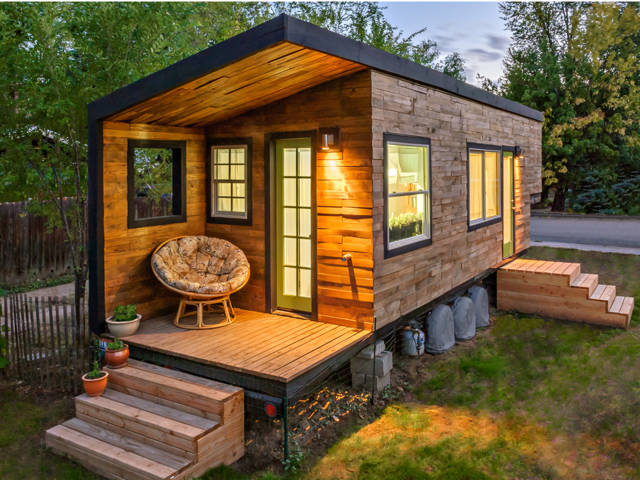
First up is the very popular “tiny home”. This small house is appealing, because, well it looks just like a regular house! These lovely homes give the same cozy feeling as walking into a traditional house. Let’s dive into the pros and cons.
Pros: Very aesthetically pleasing to the eye. Instantly feels welcoming with minimal effort. You save so much time in cleaning! You can customize these babies any way you can think of so you have something totally unique and reflective of your personality. They are more energy efficient than your traditional 2600 square foot home. They also make great home offices and guest suites. I love the tiny homes because the sky really is the limit with design.
Cons: Transporting can be stressful and a little pricey depending on how far you need to go. It looks like on average for 50 miles freight transport can range from $300-$700 per move. If you want to travel quite a bit this may not be the best bet for you. Unless you plan on building your own, tiny houses are the more expensive option. They can range between $20,000 and $70,000. The cost per square foot is typically much higher than a traditional size home. While this is starting to change, there are still several places in the United States that do not allow tiny homes per zoning laws. Here is a great article outlining what you need to know legality wise for your tiny home: http://www.curbed.com/2016/9/22/13002832/tiny-house-zoning-laws-regulations
What to know: Tiny houses are a great step in downsizing and living a simpler, more meaningful lifestyle. They are wonderful for customization. The average tiny home ranges in size from 100-400 square feet. If this sounds like your cup of tea make sure you check out the zoning areas for your destination and don’t forget to include any transportation fees into your budget if you are not building directly on your spot of land. Space is going to be a consistent theme in all of the options we discuss and while it can certainly be a con, if you can think more creatively about your space then it can also serve as a pro. When you are designing or working with a designer for your tiny house, make sure to include creative storage solutions, perhaps a desk that can pull out of the wall if you need a work space, and don’t forget about the outdoors! Your outdoor space is a room too that can be perfect for working, studying, and hosting guests.
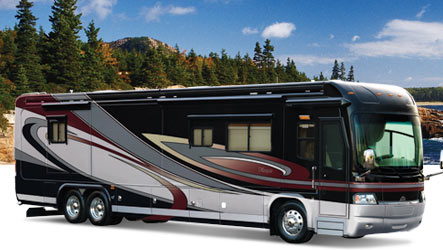
Next up is the motorhome. The American dream on wheels!
Pros: You can take this guy anywhere! This is the ultimate traveling machine. The space can actually be really great depending on the model and how many slide outs you would like. The slide outs add tons of extra living and working space. There are RV parks all over the country that you can stay in for a couple days or a couple years if you like. These parks also typically include all of your utilities plus they may have additional amenities like a swimming pool, nature trails, a clubhouse, among other nice features that you would be able to use. Motorhomes are family friendly as well. While you probably will not get more than 400 square feet, motorhomes are designed for compact living so the spaces are built to be as functional as possible. This is a great option if you are looking to spend some time out on the road! RVs can range in price from a few thousand dollars up to a couple hundred thousand dollars, so there is a budget for everyone. When you are not living in your RV full time, they are still great for vacations, concerts, tailgates, and of course camping adventures, so you can really maximize your time and money with your motorhome.
Cons: The biggest con would be maintenance. If your transmission goes out or some other major part, you have to leave your home in the shop which means you would have to find somewhere else to live while it is being worked on. Those fixes can be expensive too. Not all mechanics can work on RVs, you have to go to someone who can specifically work on motorhomes and depending on where you are they may not be easily accessible. They also are not the best bang for your buck space wise. While you can maximize space with slide outs and nifty built in storage, you will definitely pay for it. You are also limited in the customization of the space.
What to know: RVs are an excellent option for a tiny home, especially for the constant traveler. They are very easy to transport. You do not have as much freedom personalizing your space as you did with the tiny house option. Things to think about if you are going the camper route: Consider buying used. You can get some really great deals just buying a slightly older model than buying brand new. Someone told me once, “Never buy a new motorhome!”Even if it is just a year or two older you can save thousands. Will you need 30 amps or 50 amps? I personally suggest 50 amps and that way you always have the option should you need it. Prices of lots at RV parks will differ though between 30 and 50 amps so keep that in mind when you are searching for a place to park your home. Here is a great forum to help you determine what your electrical needs may be:http://www.rvnetwork.com/index.php?showtopic=114691
And last but not least, the travel trailer! I love this clip from the classic The Long, Long Trailer!
Pros: Travel trailers are extremely cost effective. You definitely get the most bang for your buck with these guys. They are pretty easy to transport. You do not have as many things that need maintenance as you do with the motorhomes, so the upkeep is easy peasy. There are no transmissions, engines, etc to worry about, making most fixes much cheaper than the motorhome option. There are so many varieties to choose from with the retro look of the Airstream to the sleek look of the Coachman , to the outdoorsy feel of the Flagstaffs; you are sure to find one that suits your style and needs. These are much more conducive to conserving energy and water.
Cons: You need a vehicle that has the capacity to tow your trailer. Regulating temperature in these can be tricky depending on where you are. There are definitely ways around this, but keep in mind that in the summer these will get very hot and likewise in winter. You can definitely renovate and make the space your own, however unlike with the customizable tiny house, you are limited to working with the space you have got.
What to know: You still need to be conscious of 30 amps versus 50 amps. When you are buying used (which I definitely suggest to save money) make sure you open all the cabinets and touch all the walls, ceiling, push on the flooring to search for any wet spots which could mean there is a costly leak present. Also make sure you are able to hook everything up and run the sinks, showers, flush the toilet, to make sure everything is working and you have no leaks before purchasing. Also be conscious of corners where water might collect and could eventually lead to water damage or a leak. Here is a great (slightly long) video of what to check for you when you do go shopping for your RV:
Those are the pros and cons of the main tiny living options that are out there. If you have any specific questions about any of them, please comment or email us. If you have advice or experiences to offer from your own personal experiences we would love to hear them! If you are one of those people living in some other unconventional home, please hit us up, we would love to hear your story!
Towards the end of 2016 my husband, Brian, and I made the decision to join the tiny home movement! As much as we would like to think, this is actually not some new, innovative, hipster movement. People have been going tiny for decades and there are many reasons as to why. Making the decision to go small is a personal one and is not always feasible for families. While we have embraced this change and sincerely believe it is the perfect move for us the goal of this blog is not to convert people to living in tiny homes or campers, (like us!) but to simply help people think more creatively about their spaces. By following our blog, we hope to inspire people to find small, simple steps to living a more sustainable, healthy, and happy lifestyle.
Our journey started in September of 2016. We had moved from a 4 bedroom home in Georgia the prior year into a smaller 2 bedroom condo in South Carolina. We loved downsizing. It was such a liberating experience to shed ourselves of so much STUFF! Useless, meaningless stuff! We often thought that when we moved again we would love to downsize even more. The time came at the end of the summer last year to start thinking about moving again. We first started looking at apartments, but did not have much luck as we have a large sweet goofy dog that was well out of the weight limit of most apartment complexes. We looked at houses, but realized quickly we were not getting very much for our money. We decided it was the perfect opportunity to research tiny living options.
When you are looking for a home, regardless of whether it is a tiny one or not, you have to have reasons or a wish list of what it is you are looking for. For example, your wish list might say: must have a garage, 3 bedrooms, and preferably hardwood floors. Our wish list was a little different. We wanted to be mobile, we wanted something small, efficient, and a fixer upper all in one! We were disappointed at first when we started researching those fascinating tiny homes featured on HGTV as they were very expensive, very difficult to move frequently, and as we soon discovered, illegal in a lot of states. While these were great options for people who wanted to live smaller in a more permanent place, the tiny house option was not ideal for us. That is when we moved on to motorhomes.
The idea of hitting the open road whenever we wanted and not having to pack a thing when we moved was utterly romantic and exciting! That is until we went and looked at some motorhomes and realized all of the cons. While motorhomes are excellent for traveling and vacations, for permanent living it was not a viable option for us either. The structural space is too difficult to alter and you do not get as much bang for buck as you do with a travel trailer. You have to consider the possibilities of engine, transmission, and other mechanical trouble. Perhaps if you are a mechanic that specializes in RV repair this may not be a bad option, but for us having to take our motorhome into the shop for repairs meant that we would be homeless until it was fixed. Not to fret though, because then we saw it! The Rusty Rivet is what we lovingly referred to it as. Thirty-four feet of gorgeous aluminum. It was a 1982 Avion travel trailer and it was perfect. It was the perfect amount of space, very inexpensive, and we could easily update it with our custom ideas, plus Emma our German Shepherd-Mastiff mixed pup walked right in and took a nap on of the twin beds as if to claim her room. We purchased it and the renovations began!
Everyone’s journey to finding their dream home is different and consists of varying needs. Our dream home happened to be an old camper that we customized to fit our style and comforts. We chose this unconventional home for many reasons. It is a little more eco friendly than our previous dwellings. We use less energy, water, and changed the way we think about food, waste, and other resources. These environmental foods for thought will be featured in blog entries to come. Thinking about living more sustainably is a big deal to us as a couple as we grapple with tough topics that are facing our culture and world today such as sustainable agriculture, climate change, conservation efforts, and renewable energy to name a few. Living smaller has helped in facilitating a more responsible lifestyle for us. It also allows us to be mobile. We love to travel and camp and have no plans of settling in one city for an extended period of time right now, so it is perfect for an on the go lifestyle like ours. It is economical for us. At most campgrounds, which is where we park our home, all of your utilities are included with your lot rent, some places charge electric separately, but on the low end we have seen rent and utility expenses down to $350 per month and on the high end $700. Even on the higher end it has cut our expenses down by nearly half. We also loved the idea of living in a home that we were able to customize to our style. Living in a camper has been an unexpectedly soulful experience. I have to admit, waking up in the morning and peering out of one of the many large windows and seeing the sunlight slowly trickle through all of the trees that surround our camper is priceless. It has forced us to seek more experiences instead of more stuff. We get to be immersed in nature every single day and even though we work normal jobs in a normal town, I cannot express enough the joy and gratefulness that I feel by starting my day surrounded by brooks and trees and ending my day the same. Coming home after a long day at the office to such a serene and cozy home is like leaving everyday for vacation. Those are the reasons we started our tiny camper home journey. What you can expect in future posts will be an array of topics including but not necessarily limited to tips and tricks for camper living, what we used and how we did our renovations, introducing modern technology to a classic camper, small space gardening, road trips and traveling, small space organization, steps to living more sustainably, and much much more! Take this journey with us as we continue to learn and grow and check out the gallery regularly for updated pictures! Your feedback is always welcome so please shoot us an email or find us on Twitter, Facebook, and Instagram by searching The Rusty Rivet.


 The Rusty Rivet